








Leveraging the LDSS for your Adult Social Care Courses
The Learning and Development Support Scheme (LDSS) is a way for adult health and social care employers to receive funding for their staff training.
The importance of effective training for adult social care workers cannot be understated, but in the past employers weren’t able to spare enough budget and time to organise training for their teams. This affected the quality of care being provided, and prevented health and social care workers from reaching their full potential.
Despite being available to employers across England, many still aren’t aware of the full benefits of LDSS funding. So today we’re going to explain how it works, and how you should use the funding wisely.
What is the LDSS?
The Learning and Development Support Scheme (LDSS) is a government-funded scheme that reimburses adult social care employers for their staff training and relevant qualifications.
This scheme is funded by the Department of Health and Social Care (DHSC), and provided around £12m in funding between 2024 and 2025. In 2026, this number is expected to be even more, as more adult social care providers utilise it.
What is LDSS Funding for?
The goal of the LDSS is to improve the level of care that adult social care companies are able to provide. By reimbursing their training course costs, they can arrange for more diverse training, expanding the skillsets of their healthcare professionals and ensuring that best practices are being followed at all times.
By earning recognised qualifications via training courses, staff are able to expand their career horizons too. If their goal is to move into supervisory or leadership roles, having the right training equips them with both the skills and certification they need.
An often-overlooked benefit of the LDSS is how accessible it has made sector-specific training. Adult health and social care includes a wide range of practices, so being able to find a course that directly supports the people within your care is ideal when budgets are tight.
Who can Claim LDSS Funding?
LDSS funding is for health and social care providers in England who directly employ staff, both permanent and agency workers. To be eligible your staff must work in non-regulated areas such as care workers, team leaders, or managers. Regulated professionals such as nurses and social workers are not eligible, neither are private assistants hired by the people within your care.
You must also have an up-to-date account with Skills for Care to apply for LDSS funding.
If this applies to you, you can reimburse the costs of a number of training courses. However, before you do, there are some things you need to consider.
How to use your LDSS Funding
As we’ve discussed, the LDSS allows you to claim back the cost of your training, as long as they are approved courses from a trusted provider.
However, the funds you can receive are limited, meaning you can’t invest in too many training courses before it starts to cost your operation money. Naturally, there will be some adult social care courses that deserve priority.
For example, if your team specialises in dementia care, investing in a high-level dementia care training course is ideal. The same is true if your team works with adults with autism or similar learning disabilities; the necessary care for these individuals varies greatly, so staff experience and confidence are both key.
If you care for people with a range of social care needs, choosing the right training courses can become more difficult. You might also neglect courses that cover what your team already knows about, despite their knowledge being outdated, in favour of new skills.
Career progression is also important for your staff. If you want to promote from within, choosing training courses with a focus on leadership skills is key, especially if members of your team didn’t take the university route but need equivalent qualifications for managerial roles.
We can help you find the best adult social care courses for your team’s needs. And no matter which of our courses you invest in, you can rest assured that they’ll be the best possible.
Why Choose Guardian Angels for Adult Health and Social Care Training?
We provide a number of training courses that are covered by the LDSS. By selecting one or more of these, you’ll receive the best training available in the UK, with courses tailored to suit your team’s needs.
Here are the courses we provide that are eligible for LDSS reimbursement:
| Level 2 Adult Social Care Certificate | £1500 per learner | To replace the Care Certificate |
| Level 2 Award in Awareness of Dementia | £125 per learner | |
| Level 2 Award in Awareness of End-of-Life Care | £125 per learner | |
| Level 3 Award in Epilepsy and Administration of Buccal Midazolam | £185 per learner | |
| Level 2 Certificate in Awareness and Prevention of Falls | £305 per learner | |
| Level 2 Certificate in Introduction to Autistic Spectrum Conditions | £305 per learner | |
| Level 2 Certificate in Mental Health Awareness | £305 per learner | |
| Level 2 Certificate in Principles of Medication Handling and Administration for Care Settings | £305 per learner | |
| Level 2 Certificate in Principles of Working with Individuals with Learning Disabilities | £305 per learner | |
| Level 2 Certificate in Understanding the Care and Management of Diabetes | £305 per learner |
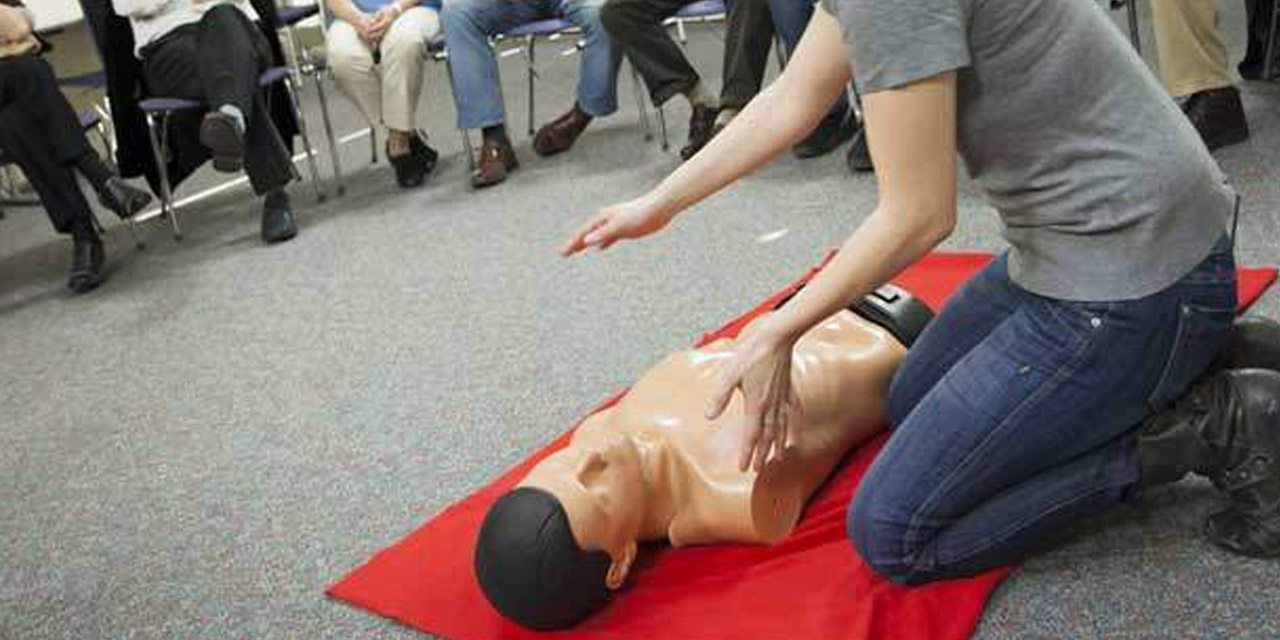
All of our healthcare training courses are taught by practicing health care professionals, who have the expertise and resources to teach at the highest level. We focus on hands-on learning over lectures, giving your staff experience in a controlled environment before they apply their new skills in the roles.
Upon completion, each member of your team will receive the appropriate accreditation, which they can use to support their careers in healthcare, or simply give peace of mind to the people in their care.
Your team will be more confident in their roles, eligible for new or updated roles in the future, and will work together better as a team than ever before. It’s important to note that these training courses are for groups only, not individuals.
If you have any questions about us or any of our training courses, please do not hesitate to get in touch. We look forward to working with you.